A Conversation with Dr. Rachel Levine
Pennsylvania's physician general is scheduled to speak at Erie's Biennial Intersections of Equality Conference.
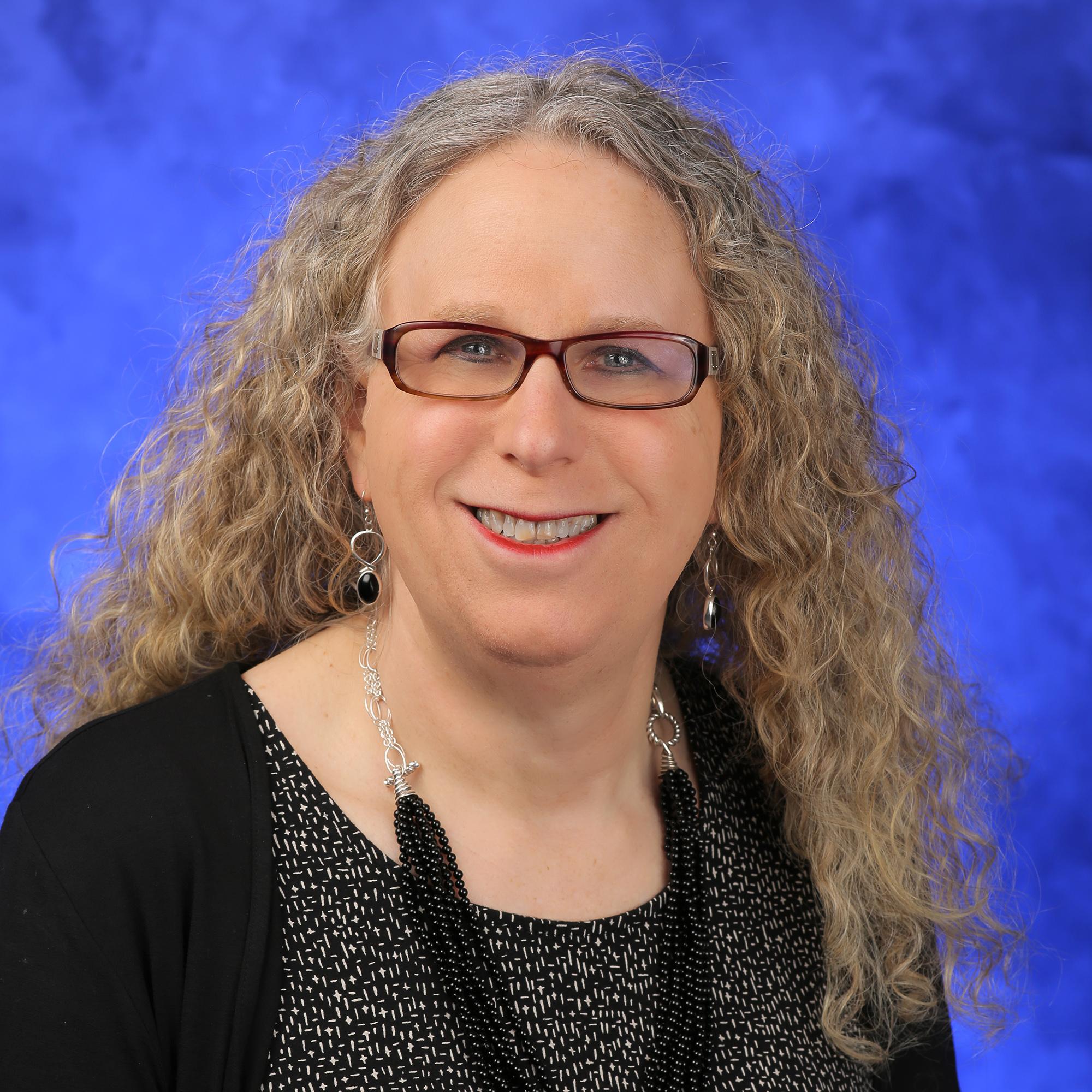
Dr. Rachel Levine was in the midst of a storied career when she was asked to serve on then-Governor-elect Tom Wolf's transition team. A graduate of Harvard College and Tulane University School of Medicine, she did her residency at Mt. Sinai Medical Center in New York City before coming to Pennsylvania as the Director of Ambulatory Pediatrics and Adolescent Medicine at the Polyclinic Medical Center in 1993. In 1996, she joined the staff of the Penn State Hershey Medical Center where she founded a division of adolescent medicine and a program to treat children and adults struggling with eating disorders.
Now she's Pennsylvania's physician general, who happens to be an openly transgender woman, a point she works hard to downplay as a sidebar to her prestigious resume. As an advocate for the LGBT community, Levine has served on the board of directors for Equality PA, a statewide advocacy group, and on Nov. 7 she's scheduled to be the keynote speaker at the Biennial Intersections of Equality Conference sponsored by the Greater Erie Alliance for Equality (GEAE), at Penn State Behrend's Black Conference Center.
JW: It seems like many of your professional roles prior to moving into this position align well with some of the mental and physical health issues facing Pennsylvania. Can you elaborate for me what you feel those top issues are and how you characterize the mental and physical health of the Commonwealth?
RL: The global interest that I've always had is that intersection between medical issues and mental health issues. That's my interest in adolescent medicine and particularly in eating disorders. So I certainly have expanded that interest in my role with the state. For example, the biggest public health issue facing the state of Pennsylvania, and perhaps the country, is prescription drug abuse with opioid and heroin abuse and resulting overdose. In fact, President Obama spoke this week in West Virginia on that topic. We've had an explosion of prescription drug abuse in the past ten years; and in the past five years, a significant increase in heroin use and way too many overdoses. In the coroner's report released last spring there were over 2,400 overdoses in Pennsylvania, and that's an underestimate because of the way the report was constructed. But even at that number it means that seven Pennsylvanians a day die of drug overdoses. More people die from drug overdoses in the United States than from car accidents. The Wolf administration is working in a very interdepartmental way to put together a comprehensive plan to address this problem.
JW: For the past forty years or so there's been a nationwide political movement to deal with drug abuse and drug related offenses as a criminal issue as opposed to a health issue. Where do you see the treatment for drug offenses fitting into that conversation?
RL: Both federally and in the Commonwealth I think that there is consensus that we're not going to arrest our way out of this problem. There are legal and law enforcement issues in terms of addressing the influx of heroin and heroin dealers, but in terms of patients that are addicted to prescription drugs and heroin, what they need is treatment, and that's our focus at the Department of Health. The federal government has said the exact same thing. Statements from the secretary of health and human services, from the director of the CDC, from the surgeon general, and now the president state exactly the same thing. In Pennsylvania, we're working on many different prevention measures. We're going to have a meeting of the deans of the medical schools in Pennsylvania to discuss the education of medical students about prescriptions and opioids and to increase that level of education and expertise in those students. We're also working very closely with the Department of Drug and Alcohol Programs (DDAP) to prescribe guidelines for healthcare providers. There have been several guidelines already released and we are currently working on many others. This is quite an effort.
We are partnering with the Pennsylvania Medical Society and other stakeholders to provide continuing education to current medical providers on all of these topics and this is a really great effort which includes Pennsylvania Medical Society but also societies for nurse practitioners, dentists, podiatrists, nurses, pharmacists, etc., so that they can receive continuing education on all of these topics and credit that we all need for our licenses. We're working closely with DDAP on expanding treatments, particularly medication assisted treatments for patients addicted to opioids, and finally emphasizing the use of Naloxone, which is an antidote to overdoses. I signed a standing order prescription for first responders to be able to carry Naloxone. So you can see the scope of our work.
JW: I want to go back to your comment on education for a moment because as you look at the demographic diversity of the state from community to community, I imagine it's difficult to always communicate what is being done and what needs to be done to affect change statewide. Pardon the analogy, but thinking about the Commonwealth as a patient, I imagine your pediatric background gives you a framework for dealing with the health of the Commonwealth in the sense that it's difficult to communicate some of these problems, and also that the patient doesn't always know how to express what those problems are.
RL: I think that's true, but I've spent my life and career seeing pediatric and adolescent patients and young adult patients and their families. So I have a lot of experience in trying to communicate things to patients and their families, and thus the public, about all of these issues. We go on many speaking engagements and do many interviews to get the word out about the scope of the opioid crisis and all the different measures the administration is doing to address it.
JW: How important is it for you as physician general to remind legislators and the general public that living well and being of sound mind and body are important parts of the sociopolitical welfare of the state as well?
RL: I have a great relationship with the legislature. Secretary of Health (Karen) Murphy and I speak with the legislature all the time about health-related issues. I had the opportunity to meet all 50 state senators during the confirmation process and to talk about opioids and other significant public health problems and I was very pleased to be confirmed unanimously by the state senate in June.
JW: Your unanimous confirmation, I think most people would agree, is impressive, especially given the political climate and the challenge that Gov. Wolf received on other nominations. Does that unanimous confirmation provide you a mandate or inertia for policy initiatives that you'd like to see at the state level?
RL: I wouldn't say that I have a mandate, but I and the Department of Health as a whole have a great relationship with the legislature, and we consult with each other all the time.
JW: From what I've read, it seems that you've embraced your role as a mentor and a popular figure in the LGBT community, and at the same time you work hard to make sure that your personal narrative does not interfere with the work you're trying to do. Are you forced to reconcile those interests at all, particularly since you're working in a political context?
RL: I've mentioned before that I'm very pleased to serve as a mentor, a role model, an advocate for the LGBT and the transgender population and to help in any way I can. The Governor is a strong supporter of non-discrimination efforts and has always been very supportive of that and non-discrimination legislation. But I do like to emphasize that I wasn't nominated for this position because I'm an openly transgender woman. I was nominated because of my medical and professional qualifications and confirmed based on those qualifications. I am aware of the interests in terms of my being an openly transgender woman in a position such as physician general, but my private life is private and really is not relevant to the public health issues of the state.
JW: Does your personal experience as a transgender woman factor into your vision for the future of medical treatment and policy in the Commonwealth? And from a policy standpoint on LGBT equality in medical treatment and health care coverage, where is the Commonwealth and where should we be going?
RL: There are lots of internal discussions about LGBT issues, particularly emphasizing non-discrimination legislation. I think that my knowledge of the LGBT community as a transgender woman as well as my experience at Equality PA and also my knowledge of transgender medical care informs my perspective and my ability to consult with Secretary Murphy and the Governor on all of these issues. Everything I've learned during my many years of professional practice informs how I consult on these medical issues and all issues in terms of public health.
(Read the full interview at ErieReader.com) For more information on GEAE's Intersections of Equality Conference and conference registration visit greatereriealliance.com. Jim Wertz can be reached at jWertz@ErieReader.com, and you can follow him on Twitter @jim_wertz.