There's a Tincture For That
Herbal healing using food as medicine with Leslie Alexander, PhD, RH
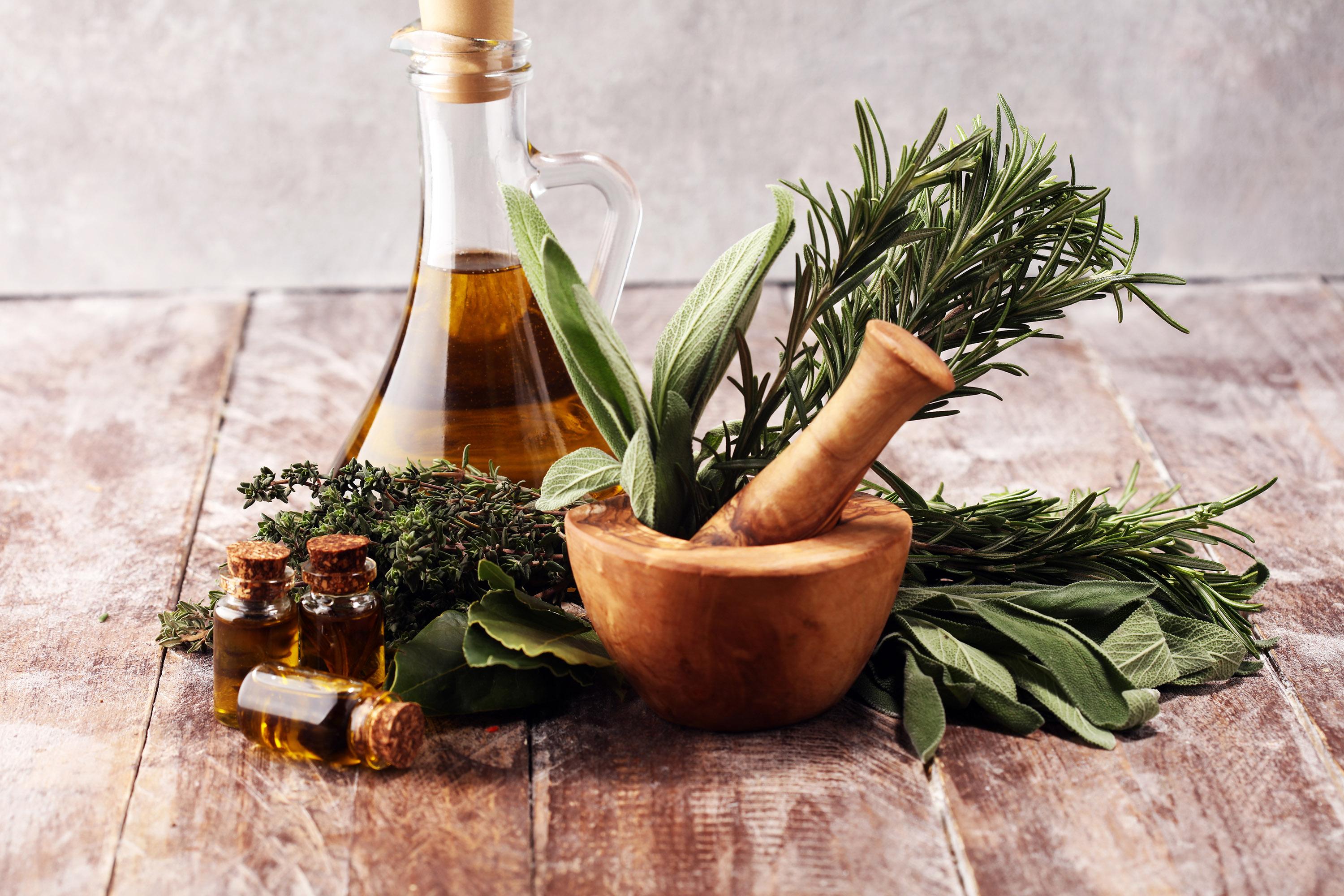
It can be hard to resist the tiny, amber glass bottles that are showing up everywhere from the grocery store to your favorite local health spot. Promising a dose of "joy," "energy and vitality," or "respiratory relief," there seems to be an herbal tincture for every ailment — physical and psychological — well beyond the CBD oils that have recently become ubiquitous. But what are you really buying? And more importantly, do they actually work?
A tincture is a concentrated liquid herbal extract. Although many of the ingredients used in tinctures can also be made into tea, tinctures are more potent due to how they are made. The roots, leaves, and herbs used are typically chopped, pureed, or bruised and then soaked in a combination of high-proof alcohol (frequently ethanol at a manufacturer level) and water. Most manufactured tinctures are made in a 1:5 plant-to-liquid ratio and can contain either a single plant or a combination of plants.
"It is imperative that when purchasing tinctures, we are certain that herbs have been identified correctly, and extracted in the appropriate medium to ensure quality. As with any medicinal herb, integrity is key," said Leslie Alexander, PhD, RH, a clinical herbalist with Restoration Herbs, a community practice. Alexander says tinctures should display a batch number and date, the common and Latin names of the herb(s), parts used, dosing suggestions, and the contact details of the provider or manufacturer.
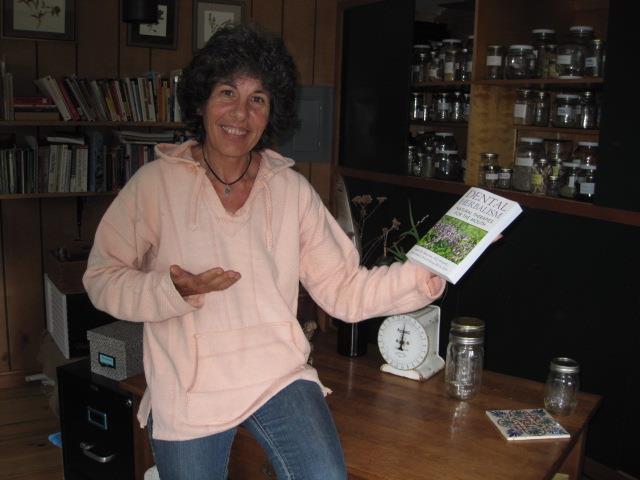 Leslie Alexander, PhD, RH poses with her book, Dental Herbalism. Image via Facebook.
Tinctures are used to address symptoms that can be acute, chronic, or a combination of both. When addressing an acute concern such as a headache, a person is likely to feel relief within 10-20 minutes. For chronic conditions related to inflammation, changes are seen over time. "Tinctures are often taken until we see symptom relief. Sometimes they are used beyond this time to support the body as it re-establishes balance. Additionally, we can use tinctures as tonics over the long term as safe and effective means of addressing health concerns," said Alexander. Many herbalists also adopt a preventative approach to tinctures: pinpoint potential problems and treat them at the source before they turn into a full-blown ailment.
To take a tincture, many herbalists recommend putting the drops under the tongue to get the herb directly into the bloodstream. You can also dilute the tincture by dropping it into water or sometimes it is recommended to apply it topically. "A tincture needs to be taken as directed, on a regular basis, for the desired outcome. We need to choose the correct tincture or blend of tinctures, for each individual. As herbalism offers a holistic approach to health and wellness, it is often the case that an herbalist will suggest different formulas for different individuals. This takes into account individual differences in age and onset, for example, as well as lifestyle," said Alexander.
"While increasingly popular, and highly portable, often other means of delivering herbs to the body may be more appropriate. As alcohol extracts, tinctures should be avoided by those with alcohol sensitivities. They can be prepared using a variety of alcohols, including saki, sherry, wine, brandy gin, vodka, and grain alcohol. Choice of alcohol is closely related to the sizes of the molecules to be extracted and an herbalist's preference. Some tinctures take weeks to prepare," said Alexander.
Tinctures are widely accessible, regulated by the FDA, and can be purchased without a prescription. Herbalists recommend reading the labels carefully and doing your research. This self-healing approach can be empowering, but tinctures often work best when they are part of a complete health and wellness plan.
"Working with a registered professional herbalist is a safe and effective means of supporting health and wellness. A professional herbalist will have undergone years of study and may have an area of specialization. Your herbalist will ensure that dosing and delivery are appropriate, avoid contraindications, and ensure a choice of quality herbs, harvested locally or from a reputable supplier. Working with a professional herbalist will help to prioritize health concerns and will likely offer new insights into both health, wellness, and the appropriate uses of herbal medicine," said Alexander. The national organization the American Herbalists Guild offers a state-by-state list of registered professionals.
Tinctures and herbs should be stored in a cool, dark cupboard. This includes cooking herbs and spices. Keeping them in a heated area can cause them to become weak and less effective more quickly. You may also want to carry tinctures in a purse or briefcase to have them readily available. Be sure not to leave your tinctures in a hot place for long periods of time, such as in a car, as heat can negatively impact the quality of your herbal products.
Consuming medicine in any form is just one part of the healing equation. If you are considering trying a tincture, talk to your health care provider to make sure it is safe for you.
Amy VanScoter is a registered yoga teacher at School House Yoga and a wellness program coordinator. She can be reached at avanscoter@gmail.com.